




 SignIn / SignUP
 Forgot password
 My Inquiry
 My Orders
 My Wishlist
  My Wallet
 My Invitee
 New Arrivals





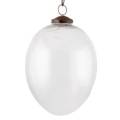
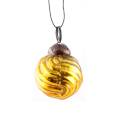
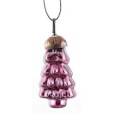
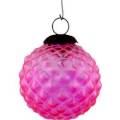
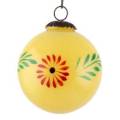
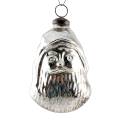
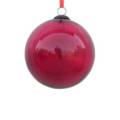
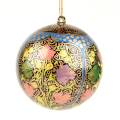


Ready-Stock Christmas Ornaments for Elegant Seasonal Styling
General Understanding of Ready-Stock Christmas Ornaments
A ready stock ornament arrives with the simplicity of something already prepared to enter your home. It carries a seasonal calm and a certain certainty. You pick it, place it, and the room shifts into celebration without delay. These pieces come in many forms, from delicate glass to warm wood to hand shaped paper mache. They appear in multiple size ranges such as Size 1 inches to 2 inches, Size 2 inches to 3 inches, Size 3 inches to 4 inches, Size 4 inches to 5 inches, Size 5 inches to 6 inches, Size 6 inches to 7 inches, and even Size 11 inches to 12 inches. Each size builds a different visual rhythm, letting you shape the season with scale and tone.
What Are Ready-Stock Christmas Ornaments?
They are decorative pieces already made, stored, and available for immediate selection. Instead of waiting for a long production cycle, you bring home objects crafted in advance across a wide range of materials and sizes. Some come as tiny accents in Size 1 inches to 2 inches. Others carry presence in Size 6 inches to 7 inches or even larger forms like Size 11 inches to 12 inches. These sizes change how the ornament interacts with light and space. Paper mache designs add an earthy handmade charm, while glass offers shimmer and metal provides clarity. Their purpose is to move your home into the season with minimal effort. You choose the material and size that aligns with your atmosphere, and the transformation begins instantly.
What Emotions Or Themes Do Ready-Stock Christmas Ornaments Commonly Portray?
Many of them hold familiar seasonal warmth. A tiny piece in Size 2 inches to 3 inches can carry nostalgia, while a larger ornament in Size 6 inches to 7 inches might speak with stronger visual presence. The themes range from winter serenity to festive brightness. Paper mache pieces often bring cultural softness, echoing handcrafted traditions. Glass reflects celebration. Wood feels rooted and gentle. These ornaments also shift between symbolic messages like hope, gratitude, and quiet joy. Their themes settle into a room almost immediately because their design is already resolved. The emotion arrives through material, size, and placement, creating a layered seasonal mood.
What Are The Most Recognized Styles In Christmas Ornament Design?
Classic glossy finishes continue to anchor the season, while rustic wooden pieces and hand-painted paper mache ornaments bring cultural familiarity. Contemporary shapes favour clean lines that work well in modern apartments. Retro designs reflect soft pastels and metallic tones. Size variety shapes these styles. Small forms like Size 1 inches to 2 inches add detail without crowding. Mid sizes such as Size 3 inches to 4 inches become steady visual anchors. Larger pieces like Size 11 inches to 12 inches transform a branch into a focal point. Each style offers its own visual vocabulary, letting your tree or shelves carry a rhythm that suits your space.
Why Are Ready-Stock Christmas Ornaments Still Popular In Modern Holiday Decor?
Their appeal comes from convenience blended with emotion. Homes today move through fast schedules, and ready stock products allow seasonal transitions without delay. You can choose from many sizes, from tiny highlights at Size 1 inches to 2 inches to prominent designs at Size 6 inches to 7 inches or Size 11 inches to 12 inches. Paper mache adds heritage charm. Glass adds light. Wood adds warmth. These ornaments maintain tradition while adapting to current tastes. The result is a quick yet meaningful shift into celebration, where each object already knows the story it is meant to tell.
Crafting, Materials and Design Techniques of Ready-Stock Christmas Ornaments
These ornaments follow refined production traditions shaped by skilled hands and modern facilities. Glass is blown with precision. Metal is cast and polished. Wood is carved with grain patterns that feel familiar and grounded. Paper mache is molded, dried, and painted with patient detail. Their range of sizes, from Size 2 inches to 3 inches up to Size 6 inches to 7 inches and Size 11 inches to 12 inches, influences how each material expresses itself. A smaller piece feels intimate. A larger one becomes a visual anchor. Together they create objects ready to enter the home without preparation.
How Are Ready-Stock Christmas Ornaments Typically Made?
The process begins with a concept that captures seasonal stories. Once the outline is chosen, artisans shape materials according to the intended size. Glass spheres may be blown thin for small sizes like Size 1 inches to 2 inches or expanded for stronger presence in Size 6 inches to 7 inches. Wooden pieces are carved and sanded. Metal forms are cast and textured. Paper mache is layered, dried, and hand-painted with steady strokes. Each material reacts differently based on scale. A small ornament highlights detail. A large ornament emphasizes silhouette. After finishing and polishing, the pieces move into storage, waiting for a home that will place them near lamps, windows, or the tree where the season becomes visible.
What Materials Are Most Commonly Used For High-Quality Christmas Ornaments?
Glass remains the most iconic because it holds reflections with clarity. Metal offers structure and a refined shine. Wood brings organic calm. Fabric introduces softness. Paper mache stands out for its handmade feel and cultural depth. These materials adapt beautifully across sizes, whether it is a delicate Size 2 inches to 3 inches charm or a grand Size 11 inches to 12 inches statement piece. Smaller ornaments lean into fine detail. Larger ones carry more dramatic shapes. The choice depends on the mood you want your room to hold. Together these materials form a balanced seasonal palette that feels familiar yet freshly shaped.
What Role Do Glass, Metal, Wood, Or Fabric Play In Christmas Ornament Design?
Glass becomes the keeper of light, bending reflections softly across a room. Metal introduces structure that balances more delicate materials. Wood carries warmth and grounds the overall palette. Fabric brings color and texture that feels tactile and inviting. Paper mache adds the intimacy of cultural craftwork. When combined with varied sizes like Size 3 inches to 4 inches or Size 6 inches to 7 inches, these materials form layers of visual rhythm. Small sizes highlight intricacy. Larger sizes command attention. Their interplay helps the decor breathe, creating depth without clutter. Each material tells a part of the story, and the season becomes coherent through their conversation.
Artistic Intent and Visual Storytelling in Christmas Ornaments
Every ornament carries narrative energy. Some lean into mythic symbols. Others reflect regional winter crafts like hand painted paper mache. Size influences storytelling. A small Size 1 inches to 2 inches piece whispers gently. A Size 11 inches to 12 inches ornament speaks boldly. Designers shape these stories through material, color, and cultural references. These ready pieces allow a home to build its seasonal narrative without needing to create from scratch.
What Stories Or Seasonal Messages Do Christmas Ornaments Aim To Convey?
Many ornaments express ideas of gathering, warmth, and renewal. Stars suggest guidance. Snowflakes evoke calm. Bells signal welcoming. Paper mache often carries folk influence, tying the season to heritage. Size helps define tone. A Size 2 inches to 3 inches ornament adds subtle emotional detail. A Size 6 inches to 7 inches piece becomes a storytelling centerpiece. The message comes alive when placed near light or family spaces. These objects become small carriers of memory, shaping how the room feels and how the season unfolds. Ready stock designs preserve these meanings so each home can adopt them directly.
How Do Designers Use Symbols, Colors, Or Icons In Christmas Ornaments?
Designers work with familiar seasonal symbols, using stars, trees, moons, bells, or cultural motifs to build emotional texture. Colors guide the tone. Reds and greens bring history. Gold adds glow. White adds serenity. Metallics bring modernity. Paper mache icons often highlight folk imagery. Size changes how a symbol speaks. A small Size 3 inches to 4 inches star feels gentle. A larger Size 11 inches to 12 inches piece becomes a visual anchor. These symbols translate seasonal meaning into objects that can inhabit shelves, trees, and mantels with quiet confidence.
How Do Light, Texture, And Color Palettes Influence The Appeal Of Christmas Ornaments?
Light interacts with each material differently. Glass glows. Metal shines. Wood softens the reflection. Fabric absorbs warmth. Paper mache diffuses light with a matte tenderness. Size alters the effect. A Size 1 inches to 2 inches ornament flickers lightly. A Size 6 inches to 7 inches ornament transforms a corner of the room. Texture shapes mood through smooth finishes, carved edges, or layered surfaces. Color palettes tie everything together, shifting the space into brightness or calm. Ready pieces are designed with these interactions in mind, letting homes create atmosphere through simple placement.
Purchase, Collection and Investment of Ready-Stock Christmas Ornaments
A well stocked ornament shelf feels like a quiet market of color and memory. The intent here is simple. Guidance for finding pieces that heighten the season while grounding your space in quality. Shops that carry curated decorations usually blend traditional craft with contemporary finishes. Boutiques, holiday pop ups, artisan collectives, and reputable online stores often keep ready batches in multiple sizes, including smaller accents and statement pieces. Paper mache, glass, and wood lines are usually the quickest to sell because they hold more character. Browsing becomes a small ritual where texture, weight, and finish help you choose the pieces that will carry your holiday atmosphere.
Where Can You Buy Premium Ready-Stock Christmas Ornaments?
Premium pieces usually gather in places that value craft over volume. Specialty home decor stores are reliable because they work closely with makers who understand seasonal aesthetics. Holiday markets remain a strong source, especially for paper mache and hand painted forms that carry cultural motifs. Online platforms like IndianShelf provides ornaments from established retailers give access to thoughtfully made glass, metal, and wood designs in many sizes, from delicate small forms to larger centerpiece ornaments. Artisan studios often release limited batches that keep the charm of slow craft even when sold as ready items. Choosing a trusted source matters because premium ornaments should arrive with refined finishing, stable hooks, and lasting material quality. The best shops maintain this consistency year after year, making the search part of the joy.
How Can You Check The Quality Or Authenticity Of Christmas Ornaments?
Authenticity reveals itself through construction. Glass should feel balanced, not overly light. Wood should carry clean sanding and visible grain. Metal should hold its shape without bending. Paper mache should show layered texture rather than flat molding. Examining paintwork helps as well. Lines should look intentional and smooth. Hooks or strings must feel secure. Weight distribution should feel steady. Fine quality also appears in color depth and even coating. Authenticity becomes more clear when materials age gracefully rather than peel or fade quickly. Makers who craft with care often leave small clues. A brushstroke, a carved detail, or a hand finished edge. These signs show that the ornament is more than a product. It is work shaped by skill.
What Makes A Christmas Ornament A Valuable Collectible?
A collectible gains value through rarity, craft lineage, and cultural resonance. A limited series hand formed in glass or paper mache often becomes more significant with time because each piece carries slight variations. Authentic folk patterns, regional techniques, and early maker marks elevate desirability. Ornaments that remain intact across seasons gain symbolic weight, becoming part of a family archive. Scale also influences value. Larger hand worked pieces tend to attract collectors because they display craftsmanship more visibly. Provenance helps. Knowing who made a design and how it emerged from a specific tradition creates emotional and financial worth. A collectible’s value is not only monetary. It lies in the way it preserves a story through form and color.
Care, Storage and Preservation of Christmas Ornaments
Proper care allows each piece to return every season with its beauty intact. Seasonal decor rests longer than it hangs, so storage becomes part of preservation. Shelving, soft wraps, and clean compartments protect glass and painted surfaces from scratches. Wood and paper mache respond best to dry environments. The goal is to keep the ornament’s character unaltered so it holds the same presence year after year.
How Do You Properly Store And Maintain Christmas Ornaments?
Storage begins with gentle treatment after the holidays. Wrapping each piece in soft fabric or tissue prevents scuffs. Glass benefits from padded boxes where pieces do not touch. Wooden and paper mache ornaments need breathable containers to prevent moisture retention. Metal should remain dry to avoid tarnish. Display strings should be removed or relaxed so they do not crease the ornament. During the year, keeping them in a cool space protects finishes from heat. Maintenance stays simple. Light dusting before display. Quick inspection for loose hooks. Each step ensures that your ornaments return in the same vivid form you first welcomed into your home.
What Hooks, Strings, Or Display Accessories Best Complement Christmas Ornaments?
The best attachments blend strength and subtlety. Thin metal hooks work well for glass because they hold weight without distracting from clarity. Cotton strings in deep shades add warmth to wood or paper mache. Transparent threads create a floating effect for lighter shapes. Some ornaments look elegant on velvet ribbons, especially vintage inspired ones. Display accessories matter because they influence how the ornament interacts with light and movement. A well chosen hook or string balances the ornament’s weight, keeps it stable, and enhances the way it hangs on a branch or hook. These small decisions shape the overall rhythm of your decor.
Can Old Or Damaged Ornaments Be Repaired Without Losing Their Charm?
Many can. Glass cracks are difficult to restore invisibly, but chipped paint on wood or paper mache often recovers well through careful retouching. Metal dents can be eased if the form allows. Some people prefer to keep minor imperfections because they record the ornament’s history. Paper mache repairs usually involve light smoothing and repainting. Wooden pieces can be gently sanded and resealed. The key is to preserve the original character. A good repair should make the ornament stable and presentable without erasing the features that make it personal. Age marks sometimes become part of the ornament’s beauty.
What Are Common Issues Christmas Ornaments Face Over Time?
Ornaments often face surface fading, chipped paint, loose hooks, and small scratches. Glass may lose clarity if stored poorly. Wood reacts to moisture and may warp. Paper mache can flatten if pressed under heavy objects. Metallic coatings may dull with exposure to air. These issues appear slowly, usually from storage environments rather than display. Understanding material behavior allows you to prevent most damage. A stable, dry, padded space is often enough to preserve them for years. Time shapes every object, but mindful care lets each ornament age with grace.
Home Decor, Styling and Festive Mood Setting With Christmas Ornaments
Seasonal decor works like a quiet spell. You place a few pieces, and the room shifts. Ornaments bring this transformation without effort. Their colors and textures introduce a festive atmosphere that blends memory with anticipation. Even a single ornament placed near soft light can influence the room’s emotional tone.
How Can Christmas Ornaments Transform A Home’s Holiday Ambience?
They alter the atmosphere through color, glow, and symbolism. Glass ornaments brighten corners. Wood warms a shelf. Paper mache adds cultural depth. When arranged thoughtfully, they create layers of seasonal character. A small ornament near a lamp glimmers softly. Larger ones become focal points on the tree or mantle. The transformation is gentle yet unmistakable. Ornaments guide the room toward celebration by shaping how light reflects and how color travels. This shift is what makes the holiday season feel distinct. Each piece carries the emotional vocabulary of winter gatherings.
What Decor Styles Pair Well With Classic Or Vintage-Inspired Ornaments?
Classic ornaments blend naturally with traditional interiors that favor warm lights, rich woods, and layered textiles. They also fit into rustic spaces where handmade textures matter. Vintage pieces pair beautifully with mid century rooms, heritage homes, and even minimalist spaces when used sparingly. Paper mache and hand painted designs add depth in eclectic settings. Glass and metal complement contemporary styling because they catch reflections cleanly. The versatility comes from the ornament’s ability to adapt. Their history enriches modern rooms. Their simplicity steadies ornate ones. A timeless ornament brings coherence across styles.
How Do You Choose The Right Ornaments For A Tree, Mantel, Or Dining Setup?
Choice depends on proportion, light, and narrative. A tall tree benefits from a mix of small and large ornaments to maintain rhythm. Mantels look better with balanced clusters rather than equal spacing. Dining setups often shine with subtle pieces that do not overpower table lighting. For a unified look, consider material consistency. For variety, mix glass with wood or paper mache. Colors should align with your home’s palette. Scale matters. A large ornament commands attention. A smaller one adds detail. Together they build a seasonal composition that feels intentional and warm.
Cultural Influence & Historical Legacy of Christmas Ornaments
Christmas ornaments live inside a long chain of seasonal rituals. The earliest versions appeared in European homes where small tokens, fruits, and shaped glass carried meaning beyond decoration. These early forms set the foundation for everything that followed. Their journey across continents reshaped them, absorbing symbols, colours, and materials until they became a shared language of winter. Today they stand between nostalgia and craft, reminding us how each generation leaves its own imprint on celebration. The takeaway is simple. Every ornament carries a quiet record of its time.
What Is The Historical Origin Of Christmas Ornament Traditions?
The earliest ornament customs began in German households where trees were first dressed with apples, candles, and handmade pieces that symbolised warmth during the cold months. This practice travelled through Europe and later moved into American culture where glass studios refined them into delicate works. Over time the tradition expanded beyond religious meaning and became a shared gesture of gathering. The appeal came from its intimacy. A small object representing a season, a memory, or a wish. Modern ornaments still carry this quiet promise of continuation, linking past rituals to present celebrations in a way no other decor item manages.
How Did Different Cultures Shape The Design Of Christmas Ornaments?
Each region added its own texture to seasonal decoration. Eastern European makers favoured blown glass with deep colours that echoed their storytelling traditions. Scandinavian homes leaned toward wood, linen, and soft minimalism, reflecting their relationship with nature and light. Indian artisans introduced hand painting, bright pigments, and papier-mâché techniques, giving ornaments a narrative richness. These cultural layers shaped the global palette of holiday decor. What emerges today is a blend of old craft, local symbolism, and modern interpretation. The effect is a timeless object that can shift its meaning depending on where it comes from and where it is placed.
Which Designers Or Brands Influenced The Evolution Of Ornament Craftsmanship?
Small glass studios in Germany, particularly those in Lauscha, shaped the foundation of ornament craftsmanship with their early blown-glass techniques. Later American designers brought new colours and moulded forms that matched changing holiday tastes. Handmade traditions from Kashmir influenced papier-mâché styles with fine surface detailing. Contemporary brands refined mass production but kept room for artistic lines. These creators set the tone for how ornaments look, feel, and age. The heart of their influence comes from one idea. A seasonal object can still be a piece of art if the maker gives it intention.
Christmas Ornaments vs Other Holiday Decor Items
Ornaments occupy a smaller, more intimate space than larger seasonal pieces. They hang close to eye level, inviting pause and memory. Garlands and figurines frame a room, but ornaments invite interaction. They can be held, gifted, repositioned, or saved for years. That tactile connection creates a different relationship with holiday decor. While garlands offer atmosphere, ornaments offer story. Their scale makes them adaptable to trees, windows, wreaths, and table settings, turning them into quiet anchors of the season. The distinction is simple. One fills space. The other carries meaning.
How Are Christmas Ornaments Different From Garlands Or Festive Figurines?
Ornaments are built for close viewing. Their small size and crafted surface details are meant to be appreciated up close, while garlands stretch across walls and mantels with broader visual impact. Figurines stand as still characters in a festive scene, usually grounded and static. Ornaments move with air and light. They interact with the environment. They create tiny focal points within a larger setting. This movement and scale give them a more personal presence. People reach for ornaments first because they transform a tree or corner with immediate emotional weight, something larger decor pieces rarely achieve.
What Sets Handcrafted Ornaments Apart From Machine-Made Ones?
Handmade ornaments carry irregularities that become part of their charm. A brush line, a slight curve, a textured seam. These small marks reveal the maker’s involvement and anchor the piece in human touch. Machine-made ornaments focus on consistency, repetition, and affordability. They deliver uniform shapes that suit large collections. The difference lies in intent. One carries the pulse of manual craft. The other carries practicality. Both serve a place in seasonal decor but the handcrafted piece tends to hold attention longer because it feels personal. It grows with the home instead of blending into it.
How Do Glass Ornaments Differ From Wooden Or Fabric-Based Designs?
Glass brings shimmer and fragility. It plays with reflection, making light behave differently around it. Wooden ornaments carry warmth with carved edges and natural grains that ground a room. Fabric ornaments introduce softness and colour, often inspired by textile traditions. Each material sets a different tone. Glass feels ethereal. Wood feels rooted. Fabric feels familiar. This variety shapes how a home expresses the season. The material becomes part of the emotional palette, influencing how a corner feels when the room lights are low and the festival atmosphere settles in.
Emotional & Symbolic Value of Christmas Ornaments
The small scale of ornaments allows them to hold memories easily. A colour, a pattern, a year etched into a tiny surface can capture an entire season. Homes often keep older pieces safe because they remind the family of moments that no longer repeat. That emotional layering is what keeps ornaments close to the heart. They become little storytellers. The final effect is subtle. A familiar shape can make a room feel complete.
Can Christmas Ornaments Serve As Meaningful Gifts For Festive Occasions?
Seasonal ornaments work as thoughtful gifts because they represent continuity. A single piece can capture a theme, a moment, or a shared memory. Many people keep gifted ornaments for decades, allowing the object to evolve with the family narrative. The charm comes from the simplicity. It does not need size or extravagance to make an impact. The right ornament can remind someone of a year, a person, or a turning point. When given with intent, it becomes more than decor. It becomes a marker in someone’s personal archive of festivities.
What Emotional Value Do Family-Inherited Ornaments Hold?
Inherited ornaments often carry quiet weight. They connect generations through touch and repetition. The same object is unpacked each season, handled carefully, and returned to the tree or shelf. This ritual binds memory to motion. People value these pieces because they remind them of past gatherings, past voices, and older rooms that no longer exist. They hold sentiment even when they show age. The softened paint or worn thread becomes part of their identity. These objects remain because they feel like a link between who we were and who we have become.
Why Do People Feel A Strong Connection To Ornaments From Their Childhood?
Childhood ornaments anchor early impressions of celebration. The colours, shapes, and playful details become part of how a person understands winter and joy. When they reappear in adulthood, they revive old warmth. This connection is tied to memory and ritual. Many people replicate the same colours or themes they grew up with because it feels familiar. The emotional pull is not about perfection. It is about continuity. Holding onto a childhood ornament often feels like holding onto a small version of oneself, quietly preserved through changing years.
Frequently Asked Questions (FAQs)
What Defines An Ornament As Ready-Stock?
A piece enters this category when it is fully crafted, finished, and immediately available for seasonal use. The appeal lies in its immediacy. There is no delay, no waiting for workshops or custom cycles. The ornament arrives as a complete object with its surface work, colours, and textures already settled. This readiness becomes its strength during the holiday rush when homes move quickly from planning to decorating. The idea is simple. A crafted object waiting to be placed where memory and celebration meet. The takeaway is efficiency without losing the artistry that gives seasonal decor its shape.
Can Traditional-Style Christmas Ornaments Be Recreated Today?
They can be recreated, yet the recreation works best when the maker respects the older methods rather than only copying their appearance. Many studios still use hand painting, papier-mâché moulds, blown glass, and aged pigment tones that were once common in older markets. These techniques keep the spirit of traditional styles alive while using improved materials that survive modern homes. The result feels familiar yet updated. The charm lies in the balance between revival and reinvention. A recreated ornament carries echoes of earlier eras but stands strong within present-day interiors, proving that older aesthetics still hold emotional depth.
How Do You Protect Christmas Ornaments From Breakage Or Moisture Damage?
Protection starts with simple habits. Each piece should be wrapped in soft material, stored in dry compartments, and placed where temperature shifts are minimal. Moisture is the quiet threat that slowly affects paint and metal, so keeping ornaments away from damp corners or unsealed boxes helps them survive longer. Fragile pieces like glass require separation to prevent surface friction. These routines preserve colour, shine, and structure. When followed with care, they allow the ornament to return each year unchanged. The reward is continuity. A seasonal object that holds its form through time and handling.
Are Classic Ornaments Still Relevant In Contemporary Christmas Decor?
They remain relevant because their simplicity blends easily with new trends. Classic designs carry shapes and colours that never lose their place in seasonal rooms. They anchor modern setups with familiarity, giving balance to contemporary textures like metallic finishes or minimal palettes. Homes today mix eras without hesitation, and classic ornaments offer a bridge between old warmth and new styling. Their relevance comes from reliability. They adapt to shifting tastes while keeping the emotional core intact. Every season they reappear, proving that enduring forms do not fade. They simply find new ways to fit within changing interiors.
Can Vintage Ornament Styles Inspire Modern Ornament Designs?
Vintage styles continue to guide new creations as designers draw from their distinctive patterns, motifs, and colour stories. Older pieces often carry handcrafted details that modern makers reinterpret through current techniques, creating ornaments that feel rooted in earlier craftsmanship while fitting contemporary sensibilities. The influence is visible in muted palettes, hand-painted lines, and textured surfaces that echo nostalgic aesthetics. This blending of eras results in ornaments that feel both familiar and fresh. The inspiration becomes a bridge across time, reminding us that design evolves by remembering what once worked beautifully and shaping it into something that speaks to today.