




 SignIn / SignUP
 Forgot password
 My Inquiry
 My Orders
 My Wishlist
  My Wallet
 My Invitee
 New Arrivals




.JPG?ver=1.7)


.jpg?ver=1.7)


Handmade Washable Terracotta Modern Swan Diya Tealight T-Light Holder - Orange
- $ 9.00
-
Only a few left


Handicraft Washable Terracotta Modern Swan Diya Tealight T-Light Holder - Red
- $ 9.00
-
Only a few left


Handicraft Washable Terracotta Modern Turtle Diya Tealight T-Light Holder - Grey
- $ 9.00
-
Only a few left


Handmade Washable Terracotta Modern Turtle Diya Tealight T-Light Holder - White
- $ 9.00
-
Only a few left


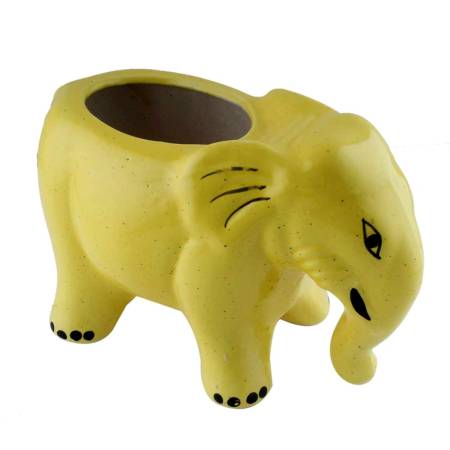
Handicraft Washable Terracotta Modern Elephant Diya Tealight T-Light Holder - Red
- $ 9.00
-
Only a few left


Handmade Washable Terracotta Modern Elephant Diya Tealight T-Light Holder - White
- $ 9.00
-
Only a few left


Handicraft Washable Terracotta Modern Fish Diya Tealight T-Light Holder - Pink
- $ 9.00
-
Only a few left


General Understanding of Diwali Diyas
A Diya is more than a small lamp; it is a vessel of light and meaning. Traditionally crafted from clay, metal, or glass, it holds oil or ghee with a cotton wick, illuminating homes during Diwali and other rituals. Each flicker embodies positivity, hope, and the triumph of good over evil, turning a simple object into a ritualistic symbol. Beyond its spiritual significance, a Diya contributes to decor, offering warmth and charm. Its enduring presence in festivals reflects cultural continuity, craftsmanship, and aesthetic sensibility, bridging ancient traditions with contemporary homes while fostering communal and personal reverence.
What Emotions Or Themes Do Diyas Commonly Portray?
Diyas evoke a spectrum of emotions, from spiritual calm to communal joy. They signify enlightenment, prosperity, and protection against negativity, creating a meditative ambience. Lighting a Diya during Diwali is an act of hope, a subtle invocation of blessings, and a gesture of togetherness. Homes gleam with soft radiance, nurturing warmth, reverence, and festive cheer. Symbolically, they reflect human aspiration, overcoming darkness with light. The ritual is both visual and emotional, touching senses and spirit alike. Each flame tells a story, whether personal or collective, blending heritage, devotion, and cultural celebration into one luminous moment.
What Are The Most Recognized Styles In Diyas, Traditional, Decorative, Modern?
Diyas reveal the artistry and values of their makers. Traditional clay Diyas, modest and unpainted, speak of simplicity and devotion. Decorative metal or brass Diyas, often engraved with intricate motifs, highlight craftsmanship and ceremonial elegance. Modern glass or ceramic Diyas employ vibrant colors, contemporary patterns, and enamel work, bridging tradition with home decor trends. Each style is both functional and expressive, allowing users to align with personal taste, cultural identity, or the festival’s mood. From rustic earthy warmth to polished festive sophistication, Diyas carry cultural heritage, artistic expression, and a quiet narrative that transcends generations.
Why Are Diyas Still Revered In Contemporary Festivals?
Diyas persist not only because of tradition but for their timeless symbolism. They create warmth, ambiance, and a sense of sacredness in modern homes. Even with electric lights and candles, the Diya’s soft, flickering flame is irreplaceable. It represents hope, devotion, and communal harmony, making rituals tangible. Contemporary designs allow them to complement modern interiors while maintaining spiritual depth. Their visual charm and symbolic weight make them ideal for both festive and everyday reflection. In essence, Diyas are living artifacts, connecting the present to centuries of culture, spirituality, and aesthetic beauty.
Techniques, Materials & Artistic Tools for Diyas
Crafting Diyas is a delicate blend of skill, patience, and ritual. Clay Diyas are shaped by hand or using molds, then sun-dried and kiln-fired to ensure durability. Metal Diyas undergo casting, engraving, and etching, each step a testament to artisan mastery. Decorative enhancements, painting, embossing, or gilding, fuse aesthetics with symbolic expression. Every curve, groove, and stroke is intentional, reflecting tradition and cultural storytelling. Historically, these techniques were passed through generations, embedding local identity and craftsmanship into each piece. The process transforms simple materials into luminous objects, carrying both functional purpose and profound spiritual significance.
What Materials Are Commonly Used In Diyas?
Materials determine a Diya’s aesthetic and functional character. Clay offers organic simplicity, emitting soft, warm light. Brass and bronze provide resilience and elegance, often engraved with sacred motifs. Silver Diyas convey opulence and refinement, suitable for formal rituals. Glass and ceramic Diyas invite colorful designs and enameled finishes, reflecting contemporary tastes. The choice of material influences durability, light quality, and cultural resonance. Historically, material choice was dictated by ritual context, regional availability, and symbolic value. Each Diya, whether humble or ornate, communicates intention, cultural heritage, and the artisan’s expertise while enhancing the spiritual atmosphere.
What Role Do Design Elements Play In Diyas?
Design transforms a Diya from utility to art. Shape, symmetry, and proportion affect how light radiates, creating ambiance. Carvings, painted motifs, and embossing convey cultural narratives, lotus flowers signify purity, peacocks represent beauty, and geometric patterns reflect cosmic order. Intricate detailing elevates aesthetic appeal while connecting ritual to storytelling. Size and depth influence oil capacity and flame stability, merging function with artistry. The interplay of light and shadow adds depth, mood, and rhythm to festive spaces. Essentially, design elements are both symbolic and practical, shaping the visual, emotional, and cultural impact of every Diya.
Artistic Intent and Symbolism of Diyas
A Diya narrates universal themes: light conquering darkness, knowledge surpassing ignorance, and hope prevailing over despair. Its flame embodies prayers, blessings, and well-wishes, offering spiritual guidance. During Diwali, Diyas become storytellers, marking the victory of good over evil, invoking prosperity, and fostering collective joy. In homes, they create rituals of reflection, gratitude, and mindfulness. Their placement, at thresholds, windows, or altars, communicates protection, auspiciousness, and reverence. Beyond festivals, Diyas evoke personal meditation and inner calm. Each flame is a living metaphor, blending culture, emotion, and art, quietly transmitting generations of wisdom and spiritual intention through light.
How Do Diyas Express Cultural Or Spiritual Symbols?
Diyas integrate motifs, materials, and rituals to express cultural identity. Lotus carvings signify purity, peacock designs evoke grace, and religious emblems highlight devotion. Every choice, shape, color, engraving, reflects spiritual and cultural narratives. In temples, homes, and ceremonies, Diyas bridge earthly and divine realms, making rituals tangible. They serve as visual prayers, connecting families to ancestral heritage and philosophical teachings. Through artistic intent, each Diya communicates belonging, reverence, and continuity. The subtle interplay of material, motif, and flame transforms a simple lamp into a cultural artifact, enriching celebrations and personal rituals with layered symbolism and spiritual resonance.
How Do Light, Flame, And Material Choices Influence Mood?
The Diya’s flame shapes perception and emotion. Clay emits soft, intimate light; brass and silver reflect radiance elegantly, adding grandeur. Colorful glass Diyas enhance festive vibrancy, creating energy and warmth. Placement and number amplify serenity, focus, or celebration. The interplay of material and flame subtly affects ambience, gentle flickers induce reflection, ornate lamps inspire awe, and vibrant designs invite joy. Light interacts with surroundings, casting shadows that animate space and ritual. Material choices, flame size, and design converge to create mood, balancing aesthetics with spiritual intent. A Diya’s light is both practical and poetic, setting tone, emotion, and sacred presence.
Purchase, Collection & Investment of Diyas
Diyas are more than lamps; they are symbols of light, warmth, and cultural continuity. Collectors and decorators alike seek pieces that balance aesthetics, craftsmanship, and heritage. When considering Diyas for purchase or investment, one should note material quality, artistry, and historical significance. Handmade clay or brass Diyas carry stories of artisans and centuries-old techniques. Decorative variations, often vibrant or minimalistic, appeal to contemporary homes while retaining cultural resonance. Collectors value uniqueness, subtle imperfections, and cultural authenticity. Investing in Diyas merges spiritual ambiance with artistic preservation, creating heirlooms that enhance festivals, décor, or curated collections while celebrating Indian craft traditions.
Where Can You Buy Authentic Or Decorative Diyas?
Local markets, craft fairs, and specialty stores remain reliable sources for authentic Diyas. Artisans often display intricate clay, brass, or terracotta designs, each reflecting regional culture. Online marketplaces have widened access, offering decorative Diyas ranging from minimalist glass pieces to ornate painted lamps. Authenticity matters: handmade Diyas may show minor asymmetries or tool marks, signaling craftsmanship, unlike mass-produced replicas. Price, material, and design are indicators, higher-quality metals and hand-painted finishes often command premium rates. Visiting craft hubs or artisan workshops can provide firsthand insight into traditional techniques, enhancing appreciation for cultural heritage. Convenience, variety, and artisan connection make sourcing Diyas a curated, rewarding experience.
How Can You Verify The Authenticity Of Handmade Diyas?
Handmade Diyas carry nuances that factory replicas lack. Look for fine tool marks, slight asymmetries, or subtle texture variations, proof of hands-on crafting. Materials reveal authenticity: unglazed clay, solid brass, or traditional terracotta suggest artisanal origin. Check finishing details, hand-painted patterns often display minor inconsistencies. Smell and weight can indicate natural clay versus synthetic molds. Engaging with sellers about sourcing and artisans’ techniques adds verification. Authentic Diyas often come from regions renowned for specific styles, like Rajasthan’s painted clay or South Indian brass lamps. Documentation, artisan signatures, or provenance history strengthens credibility, making each Diya both a cultural artifact and a collectible.
What Makes A Diya A Worthwhile Decorative Or Collectible Item?
A Diya’s value extends beyond visual appeal, it intertwines craftsmanship, cultural resonance, and material quality. Hand-molded clay, polished brass, or intricate embellishments enhance collectibility. Artistic detailing, from embossed patterns to hand-painted motifs, reflects skill and regional identity. Cultural relevance elevates significance, festival-specific designs, ritual-use pieces, or heritage styles maintain spiritual and decorative importance. Rarity increases worth, limited editions or regional specialties appeal to collectors seeking meaningful additions. Decorative Diyas can serve functional lighting, mood enhancement, or ceremonial roles. Investing in such pieces ensures a blend of tradition, artistry, and enduring beauty, making them heirlooms cherished across generations.
Care, Storage & Maintenance of Diyas
Proper care preserves Diyas’ aesthetic and spiritual essence. Material dictates maintenance, clay requires dry, dust-free storage, while metal benefits from gentle polishing to prevent tarnish. Placement matters, neutral surfaces, wooden trays, or brass plates complement design while preventing scratches or damage. Old or heirloom Diyas can be restored thoughtfully, retaining patina and charm. Avoid excessive handling, harsh chemicals, or water exposure. Awareness of potential damages like cracks, chips, or discoloration helps prolong lifespan. Thoughtful storage and care transform Diyas into enduring décor elements, blending functionality, cultural reverence, and visual appeal in homes and ceremonial spaces alike.
How Do You Properly Store And Maintain Diyas?
Storage protects Diyas from environmental and accidental damage. Clay Diyas demand dryness, moisture causes cracks or mold. Wrap individually in soft cloth or tissue paper, and store in sturdy boxes. Metal Diyas require polishing with non-abrasive cloths or mild metal cleaners to prevent tarnishing. Keep both types in a dust-free, cool area away from direct sunlight. Frequent inspection ensures chipped paint, broken embellishments, or surface cracks are identified early. For long-term collection, display cases with gentle lighting preserve visual appeal. Proper care ensures longevity, allowing Diyas to retain decorative and spiritual significance while enhancing living spaces with festive warmth.
What Materials Best Complement The Diya Aesthetic?
Diyas shine on surfaces that highlight their textures and hues. Wooden trays or brass plates provide natural contrast and elevate visual presence. Rangoli patterns or floral arrangements accentuate festive appeal. Neutral-toned tables, shelves, or altar setups allow the Diya’s light and design to dominate the ambience. For minimalist interiors, glass coasters or simple metallic bases provide subtle elegance. Combining textiles, like embroidered cloths or silk runners, with clustered arrangements enhances depth. Material choices interplay with flame glow, creating layered moods. Strategic placement amplifies both aesthetic and spiritual resonance, making the Diya an anchor of cultural, decorative, and emotive expression.
Can Old Diyas Be Restored Without Losing Original Charm?
Restoration preserves the essence of antique or well-used Diyas while enhancing longevity. Clay lamps benefit from gentle dusting, avoid water-based scrubbing that may erode detailing. Metal Diyas can be polished softly to revive shine but retain natural patina for authenticity. Minor paint chips or faded embellishments can be touched up with careful color matching. Avoid aggressive chemicals or mechanical restoration that compromises structural integrity. Restoration should respect heritage and artisanal nuances, enhancing visual appeal without erasing age marks. Thoughtful maintenance transforms old Diyas into treasured décor, preserving history, ritual significance, and collectible charm for future generations.
What Are Common Damages Diyas Suffer Over Time?
Diyas endure wear from handling, environmental exposure, and storage. Clay Diyas crack or chip due to moisture, impact, or uneven firing. Metal Diyas tarnish, dull, or accumulate residues. Painted designs fade, peel, or scratch with improper cleaning. Embellishments like beads, mirrors, or filigree may loosen. Candle soot or wax residue affects finish and aesthetics. Regular inspection mitigates these risks, avoid stacking fragile Diyas, use protective padding, and place on stable surfaces. Awareness and preventive care maintain both functionality and décor integrity. Understanding vulnerabilities allows collectors to proactively safeguard Diyas, ensuring enduring beauty and usability across seasons and celebrations.
Home Decor, Styling & Mood Setting With Diyas
Diyas are versatile elements that influence both ambiance and cultural storytelling in interiors. Their soft glow and intricate designs evoke serenity, warmth, and festivity. Placement choices, living room clusters, hallway arrangements, or altar setups, define mood. Materials, colors, and motifs harmonize with traditional, ethnic, or modern interiors, while strategic groupings add depth. Diya lighting complements textures, fabrics, and architectural features. Beyond decoration, they establish emotional resonance, bridging heritage and contemporary living. Incorporating Diyas is not only aesthetic but experiential, transforming spaces into welcoming environments infused with spiritual and cultural undertones.
How Can Diyas Influence A Room’s Ambience Or Tone?
Diyas modulate light and energy in interiors. Their soft, flickering glow introduces warmth, serenity, and reflective calm. Grouped in clusters, they create intimacy and cozy corners, singular statement Diyas become focal points. Placement near mirrors or metallic surfaces amplifies glow, enhancing room brightness without harsh lighting. In festive settings, Diyas convey celebration and spiritual connection, evoking cultural memory and nostalgia. Material choice affects tone, brass and gold reflect opulence, clay and terracotta impart earthy, grounded warmth. Thoughtful arrangement transforms mundane spaces into ambient sanctuaries, merging decorative appeal with emotional resonance, making each room both welcoming and culturally expressive.
What Interior Styles Pair Well With Diyas?
Diyas adapt to diverse interior styles. Traditional and ethnic interiors flourish with brass, gold, or painted clay designs. Eclectic setups benefit from mixed materials, sizes, and regional motifs. Modern or minimalist interiors welcome subtle clay or glass Diyas to introduce warmth and visual contrast. Rustic, bohemian, or fusion styles thrive with terracotta clusters paired with natural textiles or wood accents. Placement on mantels, shelves, or side tables creates curated focal points. The versatility of Diyas ensures they complement both heritage and contemporary aesthetics, enhancing visual storytelling, cultural richness, and ambient harmony in a variety of interior settings.
How Do You Choose The Right Diya For A Living Room, Hallway, Or Puja Space?
Choosing a Diya requires balancing size, flame intensity, material, and design with space purpose. Large decorative Diyas suit living rooms as focal décor, offering both illumination and visual gravitas. Smaller clay or glass Diyas enhance hallways, tables, or niche spaces without overcrowding. Puja areas favor traditional materials and motifs, preserving ritual integrity. Clustering multiple Diyas creates festive impact, while single statement pieces establish elegance. Color, finish, and surface compatibility ensure aesthetic coherence. Selecting the right Diya harmonizes spatial function, light ambiance, and cultural symbolism, transforming ordinary areas into evocative, spiritually enriched environments.
Cultural Impact & Historical Legacy of Diyas
Diyas are vessels of history, spirituality, and artistry. Their presence spans rituals, festivals, and daily practices, carrying symbolic light into homes and hearts. Across Indian regions, materials and designs vary, South Indian brass, Rajasthani painted clay, West Bengali terracotta, reflecting local culture. Generational artisans preserve techniques, embedding heritage into functional art. Diyas embody the continuity of craftsmanship, festive ritual, and aesthetic appreciation. They link past and present, turning light into story, décor, and spiritual tool. Collectors and cultural enthusiasts recognize their dual role, practical illumination and living testament to centuries of artistry, belief, and regional identity.
What Is The Historical Significance Of Diyas Across Civilizations?
Diyas have illuminated Indian homes and temples for centuries, symbolizing light over darkness, knowledge over ignorance, and spiritual awakening. Ancient texts reference oil lamps in rituals, festivals, and everyday worship. Beyond utility, Diyas serve as cultural markers, representing continuity of heritage and aesthetic expression. Festivals like Diwali elevate their prominence, while daily household use reinforces routine sanctity. Across civilizations, variations appeared, clay, metal, or stone, each reflecting regional availability and cultural preferences. The historical significance extends to art and craft, as artisans developed intricate designs and motifs. Diyas thus bridge function, ritual, and cultural storytelling, anchoring identity across time.
How Did Different Regions Contribute To The World Of Diyas?
India’s diverse regions cultivated distinct Diya traditions. South India favors polished brass lamps with elongated stems and ornate motifs. Rajasthan is renowned for colorful painted clay Diyas with floral and geometric designs. West Bengal excels in terracotta artistry, often embellished with intricate relief work. Each region’s materials, climate, and cultural practices influenced form and decoration. Artisans incorporated local myths, festivals, and symbols into designs, giving each Diya a story. Regional variations not only celebrate local identity but inspire modern decorative trends. Collectors appreciate these nuances, valuing both historical lineage and contemporary aesthetic reinterpretation in interior décor, ceremonies, and curated collections.
Which Artisans Or Traditions Shaped The Evolution Of Diyas?
Generations of artisans preserved Diya-making through hands-on training, oral storytelling, and ritual knowledge. Clay molding, brass casting, painting, and embellishment skills evolved regionally, influenced by religious and cultural narratives. Guilds and family workshops ensured continuity, embedding craftsmanship into identity. Innovations blended utility with aesthetics, multi-tiered brass lamps for temples, painted clay for festivals, terracotta for decorative use. These traditions inspired collectors, decorators, and cultural historians, elevating Diyas from functional objects to artistic treasures. Contemporary artisans honor heritage while experimenting with new materials, colors, and forms, sustaining relevance in modern décor while preserving historical craftsmanship and regional artistic identity.
Diyas vs Other Decorative Lighting Forms
Diyas carry layers of meaning beyond illumination. Each flame is symbolic, a representation of knowledge, purity, and spiritual light. Handmade detailing in clay or brass creates textures that electric lamps cannot replicate, offering a warm, intimate glow. Electric lamps focus on efficiency, brightness, and convenience. They dominate modern interiors because they require minimal effort. Diyas, however, demand care, reflecting patience and reverence. Lighting a Diya is a ritual, a mindful act connecting the present moment with centuries-old traditions. Modern lamps illuminate spaces, Diyas illuminate hearts and cultural consciousness.
What Sets Diyas Apart From LED Or Digital Lighting?
LEDs and digital lights deliver precision, programmable colors, intensity, and energy efficiency. They excel in practical settings. Diyas, in contrast, evoke emotion. Their flickering flame, warm amber glow, and tactile engagement with oil and wick create an intimate, almost meditative experience. During festivals like Diwali, the physical act of lighting Diyas, arranging them in patterns, watching shadows dance across walls, imbues spaces with cultural resonance. LED lights cannot replicate this sensory depth. Diyas are bridges between the tangible and the spiritual, connecting individuals to shared heritage while offering visual serenity and a symbolic embrace of positivity.
How Do Clay Or Brass Diyas Differ From Glass Or Ceramic Versions?
Clay Diyas offer humility and an earthy charm, absorbing oil and giving a gentle, natural glow. Brass Diyas exude elegance, their reflective surfaces amplify light and add ceremonial grandeur. Glass or ceramic Diyas focus on aesthetic vibrancy, showcasing colors and designs that animate modern interiors. Each material shapes atmosphere differently. A clay Diya may evoke rustic warmth during intimate family rituals. Brass Diya reflects a golden shimmer, perfect for ornate pujas or festive displays. Glass or ceramic versions invite playful creativity, fitting contemporary decor without losing traditional essence. The choice of material shapes both experience and expression.
Emotional & Symbolic Value of Diyas
Gifting Diyas communicates more than decoration, it conveys thoughtfulness, cultural respect, and emotional warmth. A handcrafted brass Diya may signify elegance and longevity, while a clay Diya expresses simplicity and groundedness. During festivals, gifting Diyas celebrates light over darkness, positivity over adversity. They act as tangible symbols of hope, heritage, and spirituality. Unlike materialistic presents, Diyas carry narrative value, they tell a story, invite mindfulness, and encourage participation in traditions. Giving a Diya is both aesthetic and symbolic, a gesture of connection, reflection, and cultural continuity.
What Emotional Value Do Inherited Or Family Diyas Hold?
Inherited Diyas are vessels of memory. Each scratch or patina carries stories of past celebrations, shared rituals, and familial bonds. Lighting them evokes nostalgia and reverence, linking present festivities with ancestors’ hands and intentions. These Diyas preserve cultural continuity, reminding one of lineage, values, and seasonal rhythms. They act as anchors, allowing families to pass heritage tangibly from one generation to another. Beyond physical light, inherited Diyas illuminate memory, emotions, and identity. They are intimate artifacts, celebrating lineage while participating in living traditions, bridging past and present through ritual and reflection.
Why Do People Feel A Deep Connection To Diyas From Past Traditions?
Diyas connect individuals to culture, spirituality, and sensory experience simultaneously. The act of lighting a wick immersed in oil mirrors ancient practices, maintaining continuity with ancestral rituals. The flicker of flame evokes nostalgia, warmth, and mindfulness. People associate Diyas with family gatherings, festival preparation, and shared stories. Beyond aesthetic appeal, Diyas symbolize hope, knowledge, and the triumph of light over darkness. This emotional resonance is heightened by tactile interaction, the cool weight of brass, the rough texture of clay, the gentle tilt of flame. Diyas embody living tradition, offering both visual and spiritual fulfillment.
Frequently Asked Questions (FAQs)
What Defines A Diya?
A Diya is a traditional lamp, usually made of clay, metal, or glass, holding oil or ghee with a cotton wick. It is primarily used during religious or festive occasions, symbolizing light, purity, and spiritual awareness. The Diya’s flame is not merely functional, it represents knowledge overcoming ignorance, positivity overcoming darkness, and ritual mindfulness over mundane routine.
Can Diyas Be Recreated Authentically Today?
Yes. Artisans continue using centuries-old techniques to craft Diyas that maintain cultural authenticity. Traditional clay molding, brass casting, and hand-painting preserve historic patterns and symbolism. Modern artisans blend innovation with tradition, ensuring designs fit contemporary spaces while keeping rituals intact. These handcrafted Diyas serve both functional and aesthetic purposes, honoring heritage while appealing to modern sensibilities.
How Do You Protect Diyas From Damage?
Clay Diyas should be stored away from moisture to prevent crumbling. Metal Diyas require polishing to avoid tarnishing. Glass or ceramic Diyas demand careful handling to prevent cracks or chips. Avoid stacking fragile Diyas without padding. When displaying, place them on stable, heat-resistant surfaces. Proper care ensures longevity, allowing Diyas to serve generations.
Are Diyas Still Relevant In Modern Interiors And Festivals?
Absolutely. Diyas integrate cultural symbolism, spiritual significance, and aesthetic appeal into contemporary settings. They enhance festive decorations, create ambient lighting, and add heritage value to modern homes. Even in urban apartments, a row of small Diyas or decorative brass lamps transforms space, bridging tradition with modern design, and ensuring rituals remain visually and emotionally resonant.
Can Traditional Diya Designs Inspire Contemporary Decor?
Yes. Designers draw from traditional shapes, motifs, and materials to create modern adaptations. Minimalist brass Diyas, geometric clay lamps, and vibrant glass designs blend heritage with contemporary aesthetics. These reinterpretations allow homes to celebrate culture subtly while fitting modern interiors. Traditional Diya artistry offers endless inspiration for innovative, culturally anchored decor.